
Finding a reliable aerospace bolts supplier is one of the most consequential decisions your procurement or engineering team will make. These components carry direct safety and performance stakes for every aircraft they support. Choosing the right partner takes more than a price comparison. You need to evaluate quality systems, certifications, and a track record that holds up under scrutiny. This guide walks through what to look for, who typically fills each role in the sourcing chain, and how a solutions-oriented partner fits into your plan.
Quick Answers
What certification should an aerospace bolts supplier hold?
AS9100 sets the baseline expectation. This aerospace quality management standard confirms that independent auditors have reviewed a supplier’s processes, documentation, and traceability practices against aviation-specific requirements.
What’s the difference between a manufacturer and a distributor of aerospace bolts?
Manufacturers produce specialized components such as forgings, castings, and engineered fasteners at scale. This makes them a strong fit for high-volume production runs. Distributors and specialty suppliers stock those components and serve buyers who need flexibility in order size, lead time, and part variety.
Does a lower price always mean a better deal?
Not when a part fails inspection or a delivery slips. Cost matters, but you should weigh it against certification status, documented quality history, and a supplier’s ability to hit committed lead times.
What Makes Aerospace-Grade Bolts and Hardware Different
Aerospace-grade bolts must hold up under conditions that would degrade standard industrial hardware quickly. They face extreme temperature swings, vibration, and sustained mechanical load at altitude. Engineers choose materials like titanium, high-strength aluminum alloys, and advanced composites for their strength-to-weight ratio and resistance to corrosion and fatigue. Manufacturing tolerances run tighter than in most other industries. Each part typically passes through multiple inspection points before inspectors clear it for use. Because the margin for error stays so small, sourcing decisions carry weight well beyond the purchase order itself.
Why Supplier Reliability Is Non-Negotiable
Reliability in aerospace sourcing isn’t a nice-to-have. A missed delivery can stall an assembly line. A nonconforming part can trigger a much larger safety and compliance review. Suppliers that consistently meet AS9100 requirements also tend to perform better on the metrics that matter day to day: on-time delivery, defect rates, and responsiveness when a spec changes mid-project. That consistency compounds over time. Teams that work with the same trustworthy suppliers repeatedly gain better visibility into their own supply chain. They also face fewer surprises when a program scales up or needs a part re-sourced quickly.
Who Belongs in Your Supplier Search
The aerospace bolts supplier landscape generally breaks into two roles. It helps to know which one fits your need. Large manufacturers produce specialized components such as forgings, castings, and engineered fasteners at scale. They typically fit high-volume production programs best. Specialty distributors serve buyers who need certified components in smaller batches, faster turnarounds, or prototype quantities. They often offer more flexibility on order size and communication. Most procurement teams end up working with a mix of both. They lean on large-scale manufacturers for volume runs and specialty partners for flexibility and rapid sourcing support on non-standard requirements.
Key Criteria for Evaluating a Supplier
Certification comes first. AS9100 registration gives you the clearest signal that auditors have vetted a supplier’s quality system against aerospace-specific requirements. That certification should come paired with material traceability and a Certificate of Conformance on every shipment. Beyond certification, look at delivery history and defect rates over time rather than a single reference. Location matters too, since proximity can shorten lead times and simplify communication when you need to clarify a spec quickly. Cost plays a role, but it should never decide the outcome on its own. A part that fails inspection or arrives late almost always costs more than the initial savings.
| What to Check | Why it Matters |
|---|---|
| AS9100 certification | Confirms an audited, aerospace-specific quality system |
| Material traceability & CoC | Required documentation for safety and regulatory compliance |
| Delivery and defect history | Predicts real-world reliability, not just stated capability |
| Order-volume flexibility | Determines fit for prototype, small-batch, or production runs |
Building a Sourcing Relationship, Not Just a Transaction
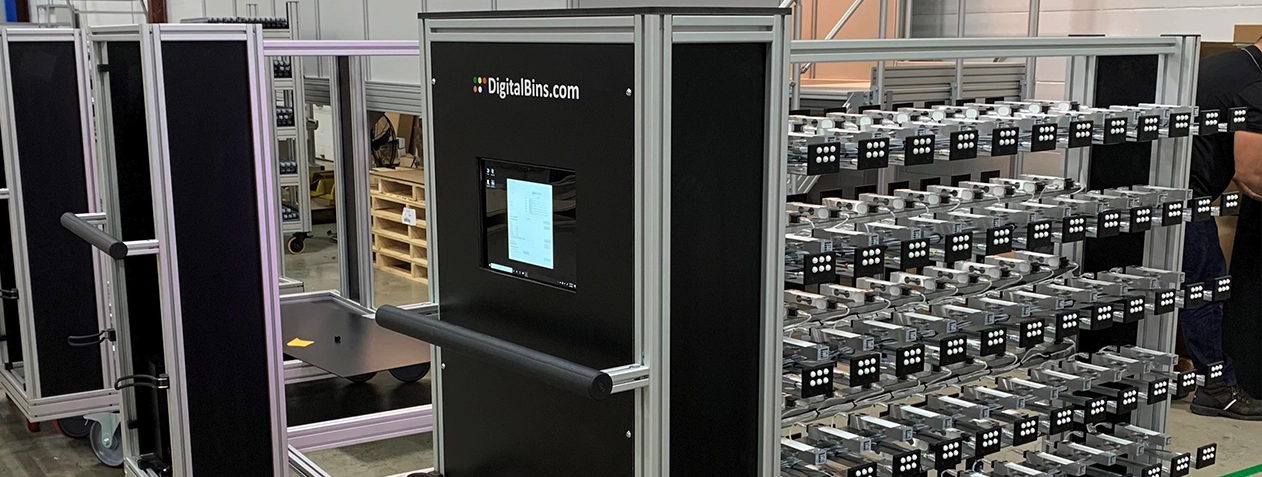
The strongest aerospace supply relationships look less like one-off purchase orders. They look more like ongoing partnerships. That means regular communication. It means a supplier who flags potential issues before they become delays. It also means a willingness to collaborate on forecasting so inventory sits in place before you urgently need it. This is where a solutions-partner approach earns its keep. Instead of simply filling an order, we aim to help you anticipate what you’ll need next. That might mean proactive inspection support, predictive replenishment, or tools like DigitalBins® that give your team better visibility into on-hand inventory. That kind of partnership reduces the operational risk that comes from treating sourcing as a purely transactional relationship.
Making the Right Call on Your Next Supplier
There isn’t a single right answer for which aerospace bolts supplier fits best. It depends on whether you need a production-volume run, a prototype, or ongoing inventory support. Each of those scenarios favors a different kind of partner. What stays constant is the checklist: verified certifications, documented traceability, a real delivery track record, and a supplier willing to work as a partner rather than a vendor. Teams that hold suppliers to that standard consistently reduce risk. They also get more out of every sourcing decision.
Looking for a partner who treats your aerospace hardware program as a shared priority rather than a transaction? Contact Fastener Tool & Supply at 866.580.8665 to talk through your certification, traceability, and inventory needs.



